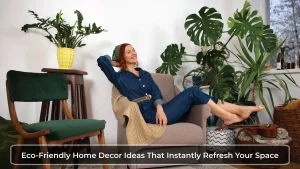

Living in a small apartment doesn’t mean you have to compromise on style, comfort, or personality. With smart design choices and thoughtful décor strategies, even the most compact space can feel open, airy, and beautifully functional. As modern lifestyles continue to shift toward urban living and minimal footprints, small apartment décor has become one of the most ever-evolving areas of home design.
In this guide, you’ll discover practical, stylish, and future-ready ideas to help your apartment look larger, brighter, and more inviting-without expensive renovations.
Why Small Spaces Deserve Big Design
Small apartments are no longer a compromise-they are a lifestyle choice. Whether you live in a studio or a one-bedroom apartment, the right décor can transform tight quarters into a cozy yet spacious sanctuary.
The key lies in strategic design: using color, layout, furniture, lighting, and décor in ways that visually expand your space. Modern home décor trends focus on adaptability, sustainability, and comfort-making small apartments the perfect canvas for creative living.
Understand Your Space Before Decorating
Before buying furniture or accessories, take time to analyze:
- Natural light sources
- Room dimensions
- Storage needs
- Daily movement patterns
- Existing architectural features
Create simple zones for sleeping, working, relaxing, and dining. Zoning prevents clutter and makes your apartment feel organized and intentional-two major contributors to a spacious look.
Choose Light Colors for an Open Feel
Color plays a powerful role in how we perceive space.
Best colors for small apartments:
- White
- Cream
- Soft beige
- Light grey
- Pastel shades
These tones reflect light and reduce visual boundaries, instantly making rooms feel larger.
Pro tip:
Use the same color palette throughout your apartment to maintain visual continuity. This avoids breaking the flow between rooms and makes the entire space feel cohesive.
Use Mirrors to Multiply Space and Light
Mirrors are one of the oldest and most effective tricks in interior design.
How to use mirrors effectively:
- Place them opposite windows to reflect natural light
- Use floor-length mirrors to add height
- Choose mirrored furniture for subtle elegance
- Create a mirror gallery wall for modern flair
Mirrors visually double your space while enhancing brightness-an unbeatable combination for small apartments.
Invest in Multi-Functional Furniture
When every square foot matters, furniture must work harder.
Smart furniture ideas:
- Sofa beds
- Ottoman with storage
- Foldable dining tables
- Murphy beds
- Nesting tables
- Wall-mounted desks
Multi-purpose furniture reduces clutter while maintaining functionality and style.
Modern apartment décor is increasingly centered around flexible living, where rooms adapt to different needs throughout the day.
Smart Storage That Doesn’t Crowd Your Home
Storage is essential-but bulky cabinets can shrink your space visually.
Space-saving storage solutions:
- Floating shelves
- Under-bed drawers
- Over-the-door organizers
- Built-in wardrobes
- Vertical cabinets
Opt for closed storage to hide clutter and open shelving for displaying minimal décor pieces.
Remember: organized spaces always feel bigger.
Vertical Décor: Think Up, Not Out
When floor space is limited, go vertical.
Ideas to decorate vertically:
- Tall bookshelves
- Wall-mounted planters
- Hanging art arrangements
- Ceiling-height curtains
- Vertical storage racks
Drawing the eye upward creates the illusion of height and makes your apartment feel more expansive.
Minimalism with Personality
Minimalism doesn’t mean boring-it means intentional.
Instead of filling your apartment with random décor:
- Choose statement pieces
- Display meaningful artwork
- Add a few indoor plants
- Stick to a consistent theme
A clutter-free environment enhances mental clarity and visually enlarges your space.
The modern décor movement is shifting toward “warm minimalism”-simple layouts paired with textures, soft colors, and personal touches.
Lighting Tricks That Instantly Expand a Room
Lighting can dramatically change how big or small a space feels.
Best lighting strategies:
- Layered lighting (ambient + task + accent)
- Wall sconces instead of table lamps
- LED strip lights under shelves
- Warm white bulbs
- Avoid heavy chandeliers
Natural light is ideal, but artificial lighting can beautifully mimic openness when designed well.
Flooring and Rugs That Create Flow
Your floor is a visual foundation.
Flooring tips:
- Use light-colored flooring
- Keep the same flooring throughout your apartment
- Avoid heavy patterns
Rug tips:
- Choose large rugs instead of small ones
- Use neutral shades
- Place rugs to define zones
Large rugs trick the eye into thinking the room is bigger than it actually is.
Curtains and Windows: Let the Space Breathe
Windows are your apartment’s connection to openness.
Best curtain practices:
- Hang curtains close to the ceiling
- Extend rods beyond window width
- Use sheer or light fabrics
- Avoid dark, heavy materials
This creates the illusion of taller walls and larger windows-two powerful space enhancers.
Décor Accessories That Add Style Without Clutter
Accessories should complement your space, not overpower it.
Choose:
- Slim vases
- Transparent décor items
- Floating frames
- Wall clocks
- Minimal sculptures
Avoid overcrowding shelves or tables. Negative space (empty space) is just as important as decoration.
Ever-Evolving Home Decor Trends for Small Apartments
Home décor trends continue to evolve rapidly, especially for compact living spaces.
Current and emerging trends include:
1. Sustainable Materials
Bamboo, reclaimed wood, linen, and eco-friendly paints are gaining popularity as homeowners prioritize responsible living.
(You’ll often see platforms like ECO Decor Nest highlighting sustainable décor choices as part of the future of small-space design.)
2. Smart Home Integration
Voice-controlled lighting, automated curtains, and compact smart storage systems enhance comfort without adding clutter.
3. Japandi Style
A blend of Japanese simplicity and Scandinavian warmth-perfect for small apartments.
4. Modular Furniture
Furniture that can be rearranged, expanded, or folded according to your needs.
5. Biophilic Design
Bringing nature indoors with plants, natural textures, and earthy tones.
The focus is shifting from “filling space” to “optimizing experience.”
Common Mistakes to Avoid
Even with great intentions, some choices can make small apartments feel cramped.
Avoid:
- Oversized furniture
- Too many dark colors
- Blocking natural light
- Excessive wall décor
- Cluttered open shelves
- Heavy partitions
Simplicity is your strongest design ally.
Final Thoughts
Creating a spacious look in a small apartment is not about magic-it’s about mindful design.
By:
- Choosing light colors
- Using mirrors and smart lighting
- Investing in multifunctional furniture
- Embracing minimalism
- Staying updated with evolving décor trends
You can transform even the smallest apartment into a stylish, breathable, and modern living space.
As urban homes continue shrinking and lifestyles continue evolving, small-space décor will remain at the heart of innovative interior design.
FAQs
What colors make a small apartment look bigger?
Light shades such as white, cream, beige, soft grey, and pastels reflect more light and reduce visual boundaries, making rooms appear larger.
Is minimalism good for small apartments?
Yes. Minimalism reduces clutter, improves organization, and creates visual breathing room-essential for making compact spaces feel open.
How can I add storage without overcrowding my apartment?
Use vertical storage, under-bed drawers, floating shelves, and built-in cabinets. Choose closed storage to hide clutter.
Are mirrors really effective for small spaces?
Absolutely. Mirrors reflect light and create depth, doubling the perceived size of a room when placed strategically.
What furniture works best in small apartments?
Multi-functional furniture like sofa beds, foldable tables, storage ottomans, and wall-mounted desks are ideal for saving space.
How often should I update my décor?
There’s no strict rule, but small updates every 6–12 months-like new cushions, lighting, or plants-can keep your apartment aligned with ever-evolving home décor trends.