
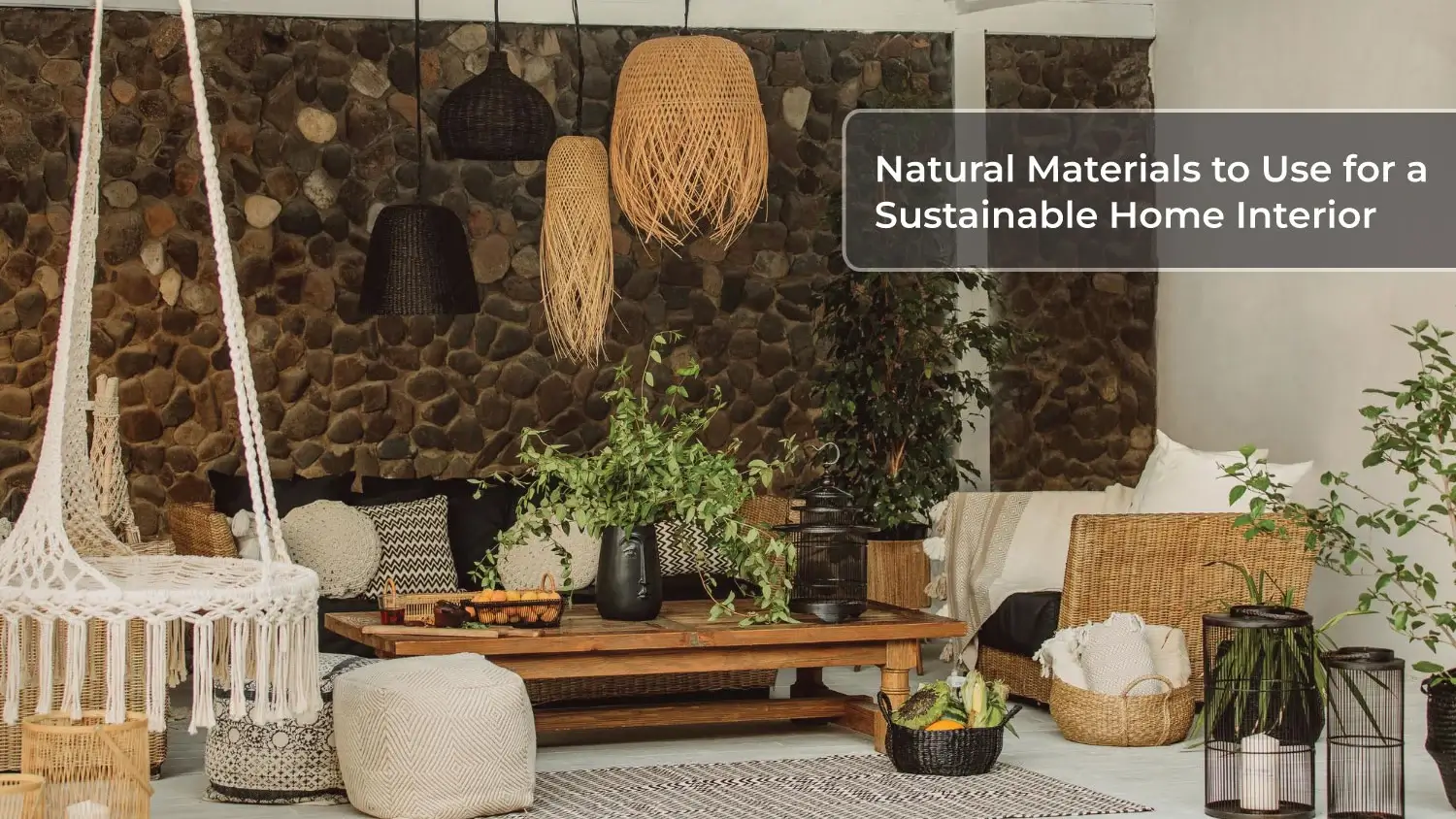
Creating a beautiful home no longer means choosing between style and responsibility. Today, homeowners and designers are embracing sustainability as a core design principle, blending aesthetics with environmental awareness. One of the most effective ways to achieve this balance is by incorporating natural materials into your interior spaces.
Natural materials not only reduce environmental impact but also create warm, healthy, and timeless living environments. As home decor continues to evolve, the shift toward organic textures, renewable resources, and low-impact finishes is shaping how modern homes are designed.
In this guide, you’ll discover the best natural materials for a sustainable home interior, how to use them effectively, and why they are becoming essential in ever-evolving home decor trends.
Sustainable Interior Design
Sustainable interior design focuses on minimizing negative environmental impact while creating comfortable and visually appealing living spaces. It emphasizes energy efficiency, waste reduction, ethical sourcing, and long-lasting materials.
Rather than following short-lived trends, sustainable interiors prioritize durability and conscious consumption. Natural materials play a central role in this approach, offering renewable alternatives to synthetic and resource-heavy products.
As climate awareness grows, homeowners are increasingly choosing interiors that reflect both personal style and environmental responsibility.
Why Natural Materials Matter in Home Decor
Natural materials bring several benefits that synthetic options often cannot match:
- Lower environmental footprint: They typically require less energy to produce and generate fewer harmful byproducts.
- Healthier indoor air quality: Many natural materials emit little to no volatile organic compounds (VOCs).
- Timeless beauty: Organic textures and tones age gracefully.
- Biodegradability and recyclability: Reduces long-term waste.
In today’s ever-evolving home decor landscape, natural materials help create spaces that feel grounded, calming, and authentic. They blend effortlessly with modern, minimalist, rustic, and even luxury interior styles.
Key Natural Materials for Sustainable Interiors
1. Wood
Wood remains one of the most versatile and popular natural materials in interior design. When sourced responsibly, it is renewable, durable, and visually stunning.
Best uses:
- Flooring
- Furniture
- Ceiling beams
- Wall paneling
- Cabinetry
Sustainability tips:
- Choose FSC-certified or reclaimed wood.
- Avoid chemically treated finishes.
- Opt for local suppliers when possible.
Wood adds warmth and depth to any room, making it a cornerstone of sustainable home decor.
2. Bamboo
Bamboo is technically a grass, but its strength rivals hardwood. It grows rapidly and regenerates without replanting, making it one of the most eco-friendly materials available.
Best uses:
- Flooring
- Furniture
- Window blinds
- Decorative panels
Why it’s sustainable:
- Fast growth cycle (3–5 years)
- Minimal water requirements
- High durability
Its clean, modern look fits perfectly with contemporary interiors.
3. Cork
Harvested from the bark of cork oak trees without harming the tree itself, cork is both renewable and biodegradable.
Best uses:
- Flooring
- Wall tiles
- Notice boards
- Acoustic panels
Benefits:
- Naturally antimicrobial
- Excellent insulation
- Soft underfoot
- Water-resistant
Cork adds subtle texture while improving comfort and sound quality in living spaces.
4. Stone
Natural stone offers unmatched durability and a luxurious aesthetic. When sourced locally, it becomes a sustainable option for interiors.
Best uses:
- Countertops
- Flooring
- Feature walls
- Fireplaces
Popular types:
- Granite
- Marble
- Slate
- Limestone
Stone connects indoor spaces with nature and lasts for decades with minimal maintenance.
5. Clay and Terracotta
Clay-based materials are among the oldest building resources known to humans. They are abundant, recyclable, and free from harmful chemicals.
Best uses:
- Tiles
- Pottery
- Decorative accessories
- Wall finishes
Terracotta adds warmth and earthy character, especially suited for Mediterranean, bohemian, and rustic interiors.
6. Natural Fibers (Cotton, Jute, Linen, Wool)
Natural fibers are essential for soft furnishings and accessories.
Common applications:
- Rugs
- Curtains
- Upholstery
- Cushions
- Throws
Material highlights:
- Cotton: breathable and easy to maintain
- Jute: strong and biodegradable
- Linen: durable and temperature-regulating
- Wool: naturally fire-resistant and insulating
These fibers enhance comfort while supporting eco-conscious living.
How to Choose Eco-Friendly Natural Materials
Not all natural materials are automatically sustainable. Here’s how to make responsible choices:
- Check certifications: Look for FSC, PEFC, or Global Organic Textile Standard (GOTS).
- Understand sourcing: Locally sourced materials reduce transportation emissions.
- Assess durability: Long-lasting materials reduce replacement frequency.
- Avoid toxic finishes: Choose water-based or natural sealants.
- Support ethical brands: Transparency in production matters.
Careful selection ensures your interior design choices truly benefit both your home and the planet.
Styling Tips for a Sustainable and Modern Interior
Creating a sustainable home doesn’t mean sacrificing style. Here are practical ideas to blend natural materials into contemporary spaces:
- Mix textures: Combine wood with stone, cotton with jute, or bamboo with metal accents.
- Stick to neutral palettes: Earth tones create calm and highlight natural beauty.
- Let materials breathe: Avoid covering natural finishes with heavy coatings.
- Invest in statement pieces: A solid wood dining table or stone countertop becomes a long-term focal point.
- Use plants: Indoor greenery complements natural materials beautifully.
As home decor trends evolve, layered textures and organic finishes continue to dominate design magazines and professional projects.
Common Mistakes to Avoid
When designing with sustainability in mind, avoid these pitfalls:
- Choosing materials solely for appearance without verifying sourcing
- Overusing one material, resulting in a flat or heavy look
- Ignoring maintenance requirements
- Falling for “greenwashing” marketing claims
- Replacing functional furniture unnecessarily
True sustainability comes from thoughtful, long-term decisions rather than quick fixes.
The Future of Sustainable Home Decor
The interior design industry is rapidly transforming. Technology now allows for better material tracing, recycled composites, and innovative eco-friendly finishes.
Key future trends include:
- Increased use of reclaimed and recycled materials
- Smart homes combined with sustainable construction
- Modular furniture made from natural resources
- Biodegradable decor products
- Greater consumer demand for transparency
Platforms like ECO Decor Nest continue to highlight how eco-conscious living and beautiful interiors can coexist, proving that sustainability is not a limitation but an inspiration for creativity.
Final Thoughts
Designing a sustainable home interior is more than a trend-it’s a meaningful lifestyle choice. Natural materials help reduce environmental impact while creating living spaces that feel authentic, calming, and enduring.
As home decor continues to evolve, the focus on renewable resources, ethical sourcing, and timeless design will only grow stronger. Whether you’re renovating a single room or designing an entire home, incorporating wood, stone, natural fibers, and other organic materials is a powerful step toward responsible living.
FAQs
Are natural materials always more expensive?
Not necessarily. While some options like stone or solid hardwood can be costly, materials such as bamboo, cork, and jute are often affordable and long-lasting.
How do natural materials affect indoor air quality?
They usually improve air quality because they emit fewer harmful chemicals compared to synthetic alternatives.
Can natural materials be used in small apartments?
Yes. Light-colored wood, bamboo furniture, and natural fabrics can make small spaces feel open and comfortable.
Are natural materials hard to maintain?
Most require basic care. Regular cleaning and occasional sealing for wood or stone is usually sufficient.
What is the most eco-friendly flooring option?
Bamboo, cork, and reclaimed wood are among the most sustainable flooring choices available today.