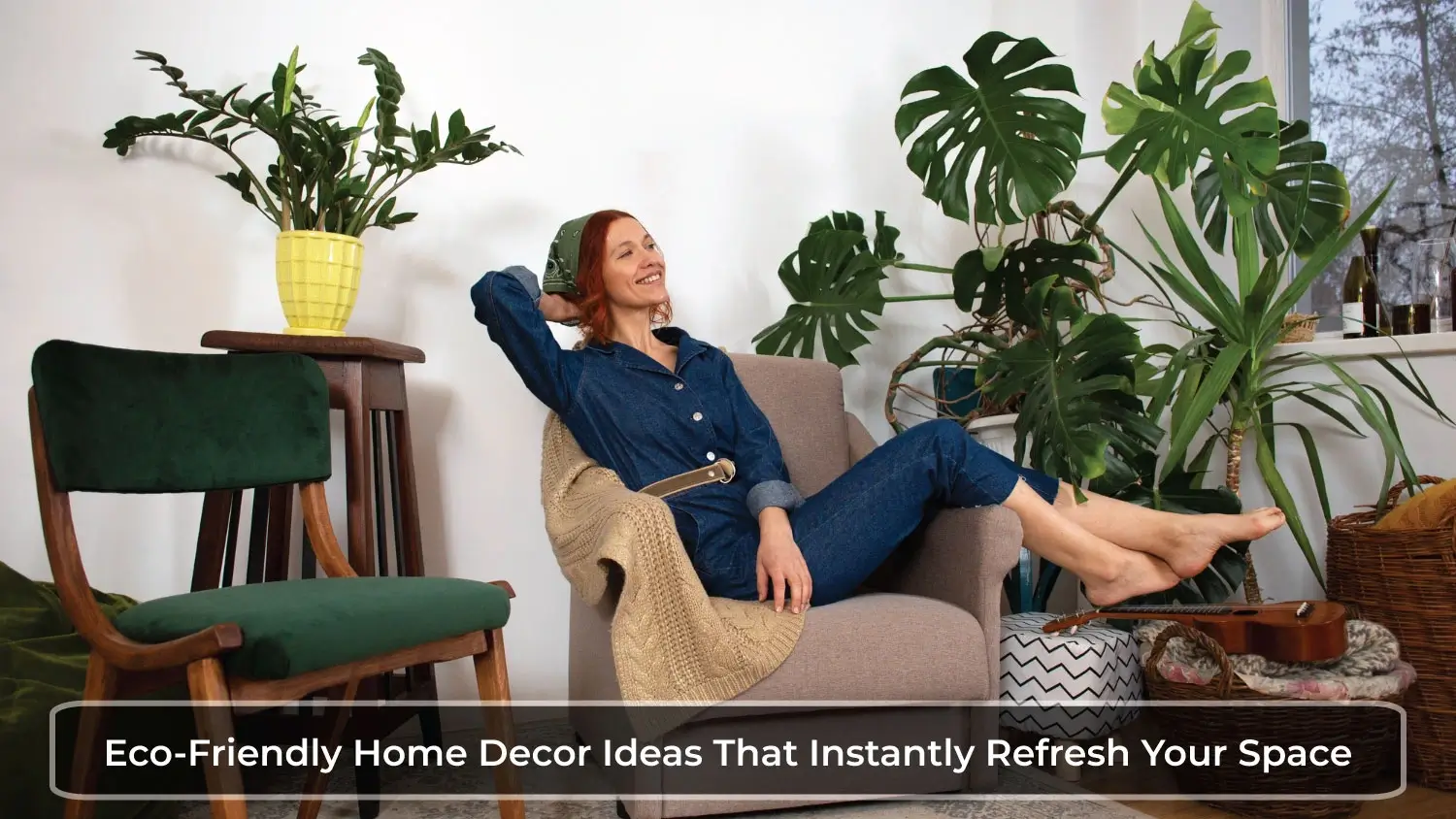
Creating a beautiful home no longer has to come at the cost of the planet. As sustainability becomes a lifestyle rather than a trend, eco‑friendly home decor is evolving into a smart, stylish, and responsible way to refresh living spaces. From recycled materials to energy‑saving designs and nature‑inspired accents, today’s green decor choices are both practical and visually stunning.
This guide explores modern, eco‑conscious home decor ideas that instantly elevate your interiors while reducing environmental impact. Whether you live in a small apartment or a spacious house, these ideas can help you design a home that feels fresh, calming, and future‑ready.
Eco-Friendly Home Decor
Eco-friendly home decor focuses on designing interiors using materials, processes, and products that minimize harm to the environment. It encourages mindful consumption, reduced waste, and healthier living spaces.
Unlike traditional decor that may rely heavily on plastic, chemical finishes, or mass production, sustainable decor emphasizes natural resources, ethical manufacturing, durability, and timeless design.
Today, homeowners are no longer choosing between style and sustainability-they are embracing both.
Why Sustainable Decor Matters More Than Ever
Modern homes contribute significantly to global waste, pollution, and energy consumption. Furniture production, synthetic fabrics, and chemical paints can leave a long environmental footprint.
Eco-friendly decor helps by:
- Reducing landfill waste
- Lowering carbon emissions
- Improving indoor air quality
- Supporting ethical brands and artisans
- Encouraging long-term use instead of fast replacement
Sustainable decorating is not just a design choice-it’s a lifestyle decision that reflects awareness and responsibility.
Natural Materials That Transform Your Space
Nature-inspired materials instantly add warmth and authenticity to any room. Some popular sustainable choices include:
Bamboo
Fast-growing and durable, bamboo works well for flooring, furniture, blinds, and wall accents.
Cork
Lightweight and renewable, cork can be used for notice boards, flooring, and even decorative wall tiles.
Jute and Hemp
These fibers are biodegradable and perfect for rugs, curtains, and cushion covers.
Reclaimed Wood
Old wood repurposed into shelves, coffee tables, or headboards adds character while saving trees.
Natural materials bring texture, comfort, and a calming atmosphere to modern homes.
Recycled and Upcycled Decor Ideas
Recycled decor reduces waste while offering unique design elements.
Some creative ideas include:
- Glass bottle lamps and vases
- Old ladders turned into bookshelves
- Wooden crates as storage units
- Tin cans converted into planters
- Fabric scraps transformed into wall art
Upcycled decor tells a story and often becomes the most memorable feature of a room.
Energy-Efficient Lighting for a Modern Look
Lighting affects both ambiance and energy consumption.
Switching to:
- LED bulbs
- Solar-powered lamps
- Motion sensor lights
- Smart lighting systems
can significantly reduce electricity usage while offering customizable brightness and color temperature.
Warm LED lighting paired with natural lampshades made from paper, bamboo, or fabric creates a cozy yet modern feel.
Indoor Plants as Living Decor
Plants are one of the simplest ways to refresh a home sustainably.
Benefits include:
- Improved air quality
- Reduced stress
- Natural humidity balance
- Visual softness in modern interiors
Popular low-maintenance plants include:
- Snake plant
- Peace lily
- Areca palm
- Pothos
- ZZ plant
Vertical gardens and hanging planters are trending solutions for smaller homes.
Low-VOC Paints and Wall Finishes
Traditional paints often contain volatile organic compounds (VOCs) that affect indoor air quality.
Eco-friendly alternatives:
- Water-based paints
- Clay paints
- Lime washes
- Natural mineral pigments
These provide beautiful finishes while keeping your home healthier, especially for children and pets.
Sustainable Furniture Choices
When choosing furniture, look for:
- FSC-certified wood
- Modular designs
- Long-lasting craftsmanship
- Local production
- Repairable structures
Avoid furniture made from mixed plastics or heavily treated materials.
Investing in fewer, better-quality pieces is more sustainable than frequent replacements.
Textiles That Are Kind to the Planet
Soft furnishings play a huge role in interior styling.
Eco-conscious textile options include:
- Organic cotton
- Linen
- Bamboo fabric
- Recycled polyester blends
- Natural dyes
These materials reduce water usage, chemical exposure, and environmental damage.
Minimalism and Conscious Styling
Minimalism supports sustainability by promoting intentional ownership.
Instead of filling spaces with unnecessary decor, focus on:
- Meaningful pieces
- Multi-purpose items
- Clean layouts
- Neutral color palettes
This approach not only reduces clutter but also highlights craftsmanship and natural beauty.
Smart Storage Using Eco Materials
Sustainable storage solutions include:
- Bamboo cabinets
- Fabric baskets
- Reclaimed wood shelving
- Cardboard modular organizers
Functional storage keeps homes tidy while reducing the need for plastic containers.
Small Changes That Make a Big Impact
You don’t need a full renovation to go green.
Simple steps include:
- Switching to reusable decor items
- Buying locally made products
- Avoiding excessive packaging
- Choosing neutral timeless designs
- Repairing instead of replacing
These small choices collectively make a meaningful difference.
The Future of Eco-Friendly Home Decor
Eco-friendly decor is constantly evolving with new innovations:
- Biodegradable furniture materials
- Mushroom-based packaging decor
- 3D-printed recycled accessories
- Smart energy-efficient furniture
- Circular design models
Platforms like ECO Decor Nest continue to showcase how sustainability and style can grow together, inspiring homeowners to make conscious design decisions.
The future of home decor lies in balance-where aesthetics, comfort, and environmental responsibility coexist seamlessly.
Final Thoughts
Eco-friendly home decor is more than a design movement-it’s a mindset that values quality, responsibility, and long-term beauty. By choosing sustainable materials, energy-efficient solutions, and conscious styling, you can refresh your home while contributing positively to the planet.
As trends continue to evolve, sustainable interiors are proving that green living can be elegant, comfortable, and inspiring. Whether you make small upgrades or redesign entire rooms, every eco-conscious choice brings you closer to a healthier home and a better future.
FAQs
Is eco-friendly home decor expensive?
Not necessarily. While some sustainable products cost more initially, they often last longer, saving money over time.
Can I make my existing decor more sustainable?
Yes. Reusing, repairing, and repurposing existing items is one of the most eco-friendly choices you can make.
What is the easiest way to start decorating sustainably?
Start with indoor plants, energy-efficient lighting, and natural textiles.
Are eco-friendly materials durable?
Many sustainable materials like bamboo, reclaimed wood, and metal are highly durable and long-lasting.
How do I identify truly sustainable decor brands?
Look for certifications, transparent sourcing, ethical manufacturing practices, and eco-friendly packaging.