
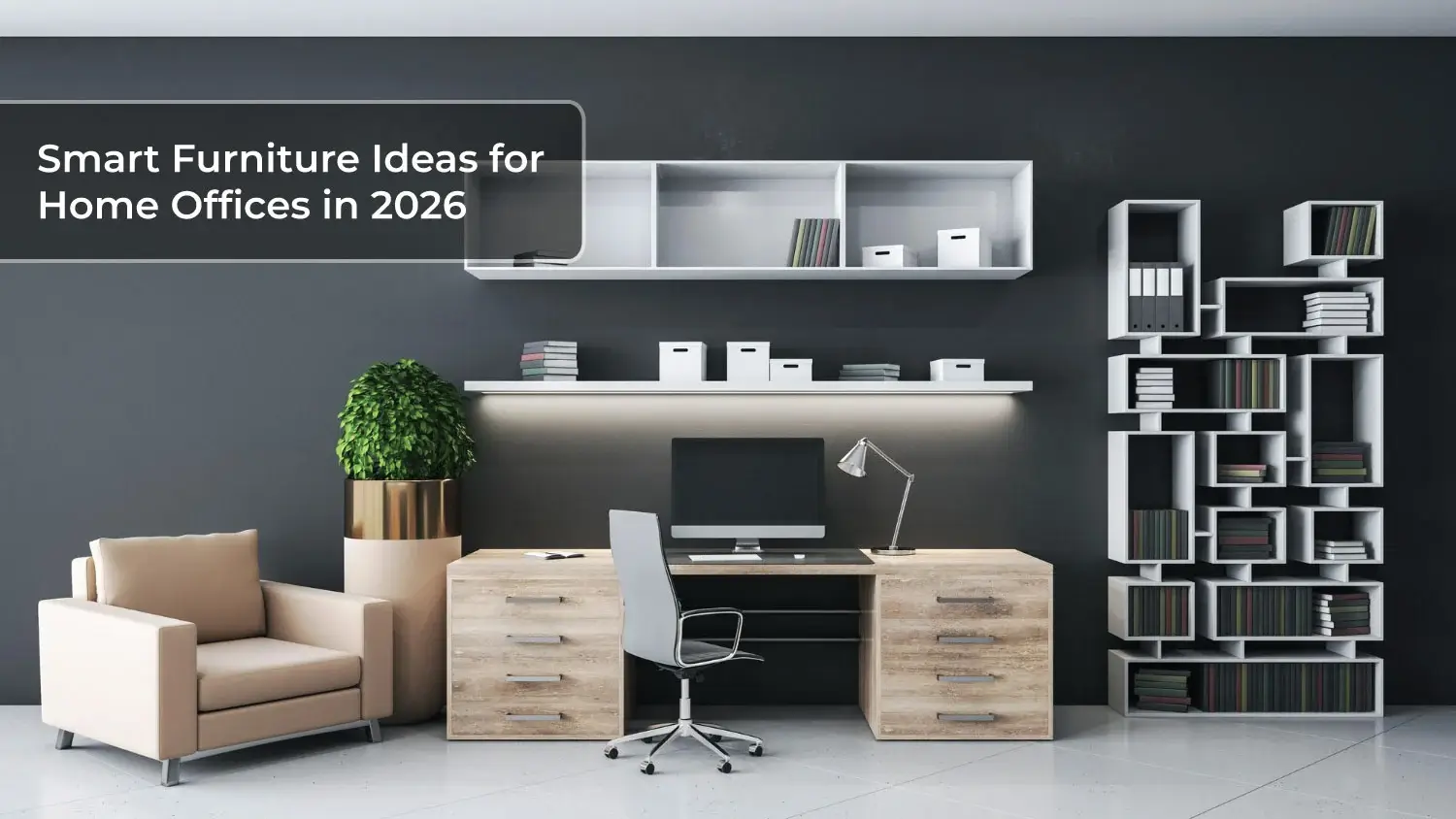
Remote work is no longer a temporary trend-it’s a permanent lifestyle shift. As more professionals work from home or adopt hybrid schedules, the home office has evolved into one of the most important spaces in modern living. In 2026, furniture design is smarter, more flexible, tech-integrated, and sustainability-driven than ever before.
Smart furniture isn’t just about adding gadgets. It’s about improving productivity, enhancing comfort, saving space, supporting well-being, and adapting to fast-changing work habits. From AI-powered desks to self-adjusting chairs and modular storage, today’s home office furniture is built to think ahead.
In this guide, we’ll explore the most innovative smart furniture ideas for home offices in 2026, practical buying tips, and how these trends reflect the ever-evolving future of workspace design.
Smart Home Office Furniture
Smart furniture blends ergonomic design, digital technology, automation, and sustainability into everyday workspace essentials. Unlike traditional office furniture, smart furniture adapts to users-rather than forcing users to adapt to it.
In 2026, home offices are expected to be:
- Multi-functional
- Technology-driven
- Health-oriented
- Environmentally responsible
- Space-efficient
Furniture now plays an active role in improving workflow, reducing fatigue, and maintaining mental focus throughout the workday.
Why Smart Furniture Matters in 2026
The modern workforce demands flexibility. With freelancing, digital entrepreneurship, and remote employment growing rapidly, the home office must match corporate-level efficiency.
Smart furniture helps by:
- Supporting long working hours without strain
- Enhancing organization and cable management
- Reducing clutter in small spaces
- Improving posture and circulation
- Integrating seamlessly with smart homes
- Lowering environmental impact
This shift is why furniture brands and designers are focusing on intelligent, connected, and modular solutions that evolve alongside changing work habits.
Key Features of Smart Office Furniture
Before diving into specific ideas, let’s understand what defines “smart furniture” in 2026:
Core Characteristics:
- Adjustability – Height, angle, lighting, and layout adaptability
- Connectivity – Bluetooth, Wi-Fi, or app control
- Ergonomics – Spine-supporting, posture-correcting designs
- Automation – Memory settings and motion sensors
- Sustainability – Recycled or renewable materials
- Compact Engineering – Designed for apartments and studios
These features collectively create furniture that works with the user, not against them.
Smart Desk Innovations
a. AI-Powered Height-Adjustable Desks
Desks in 2026 can automatically adjust height based on your posture, daily schedule, or activity level. AI sensors detect prolonged sitting and encourage standing intervals to improve circulation.
b. Built-in Wireless Charging Desks
Modern desks include wireless charging pads for phones, earbuds, and smartwatches-eliminating messy cables and improving efficiency.
c. Climate-Responsive Desk Surfaces
Some smart desks regulate surface temperature, keeping hands comfortable in different seasons and reducing fatigue during long sessions.
d. Voice-Controlled Workstations
Smart assistants now control desk height, lighting, and connected devices through simple voice commands.
These innovations represent how furniture is no longer passive-it actively enhances productivity.
Intelligent Office Chairs
a. Posture-Correcting Smart Chairs
These chairs analyze your sitting posture in real time and send alerts if your position becomes unhealthy.
b. Self-Adjusting Lumbar Support
Smart chairs automatically adapt lumbar pressure based on body movement and weight distribution.
c. Heat & Massage Features
Premium smart chairs include temperature regulation and micro-massage functions to reduce muscle stiffness.
d. Biometric Tracking
Some models monitor heart rate and stress levels to encourage healthy work habits.
In 2026, chairs are more than seating-they’re wellness companions.
Modular & Space-Saving Furniture Solutions
Small homes demand intelligent layouts. Smart modular furniture is dominating home office design:
Popular Options:
- Fold-out wall desks
- Stackable shelving systems
- Convertible workstations
- Sliding storage walls
- Collapsible chairs
Modular furniture allows users to transform their office into a living space within minutes-perfect for urban apartments.
Designers are now creating pieces that evolve as needs change, reflecting the ever-evolving furniture ecosystem.
Technology-Integrated Storage Units
Storage is becoming smarter and more interactive:
Smart Cabinets & Shelves:
- App-controlled locking systems
- LED inventory lighting
- Motion-activated drawers
- Built-in document scanners
- Digital labeling displays
These systems improve security, reduce clutter, and optimize workflow by keeping everything within reach.
Sustainable Smart Furniture Trends
Sustainability is no longer optional-it’s essential.
Key Green Innovations:
- Furniture made from ocean plastics
- Bamboo composite desks
- Reclaimed wood workstations
- Low-VOC finishes
- Solar-powered desk accessories
Brands like ECO Decor Nest highlight how eco-friendly materials and smart design can coexist beautifully, proving that technology and sustainability can grow together.
Smart furniture in 2026 focuses on reducing environmental impact while maximizing durability.
Wellness-Focused Furniture Designs
Mental and physical well-being are now core priorities in workspace design.
Examples:
- Standing desks with fatigue-reducing mats
- Chairs promoting blood circulation
- Acoustic privacy panels
- Smart lighting furniture for circadian rhythm balance
- Anti-glare desk surfaces
These innovations reduce burnout and help professionals maintain long-term productivity.
Budget-Friendly Smart Furniture Ideas
Not all smart furniture is expensive. Affordable options include:
- Adjustable laptop tables with USB hubs
- LED-integrated desks
- Compact sit-stand converters
- Modular wooden shelves
- Smart desk lamps with motion sensors
Even small upgrades can significantly modernize a home office setup.
Choosing the Right Smart Furniture for Your Home Office
Before purchasing, consider:
1. Room Size
Measure your space and choose modular or compact furniture if needed.
2. Work Style
Designers, programmers, and content creators all have different requirements.
3. Budget
Decide which features are essential vs. optional.
4. Sustainability
Choose eco-friendly brands and materials whenever possible.
5. Long-Term Flexibility
Select furniture that can evolve as your career changes.
The Future of Home Office Furniture Design
By 2030, we may see:
- Fully self-assembling furniture
- AI-driven productivity optimization
- Furniture integrated with VR environments
- Adaptive lighting walls
- Emotion-responsive workstations
The home office will become a living system, constantly adjusting to human needs.
This ongoing transformation highlights why smart furniture remains one of the fastest-evolving sectors in modern interior design.
Final Thoughts
Smart furniture is redefining what a home office means in 2026. It’s no longer about filling a room with a desk and chair-it’s about creating a responsive, healthy, and efficient environment that evolves with you.
From AI-powered desks to posture-correcting chairs and eco-friendly modular storage, the future of work is deeply connected to intelligent design.
As workspace trends continue to evolve, platforms like ECO Decor Nest help homeowners and professionals stay inspired by the latest furniture innovations shaping modern living.
FAQs
What is smart furniture for home offices?
Smart furniture integrates technology, automation, and ergonomic design to improve comfort, productivity, and space efficiency.
Is smart furniture worth the investment?
Yes. It improves posture, reduces fatigue, saves space, and enhances workflow, making it cost-effective over time.
Can smart furniture fit in small apartments?
Absolutely. Modular and space-saving smart furniture is specifically designed for compact homes.
Does smart furniture require constant internet access?
Not always. Many features work offline, but advanced automation benefits from connectivity.
Is smart furniture eco-friendly?
Most modern designs prioritize sustainability using recycled materials and energy-efficient technology.


